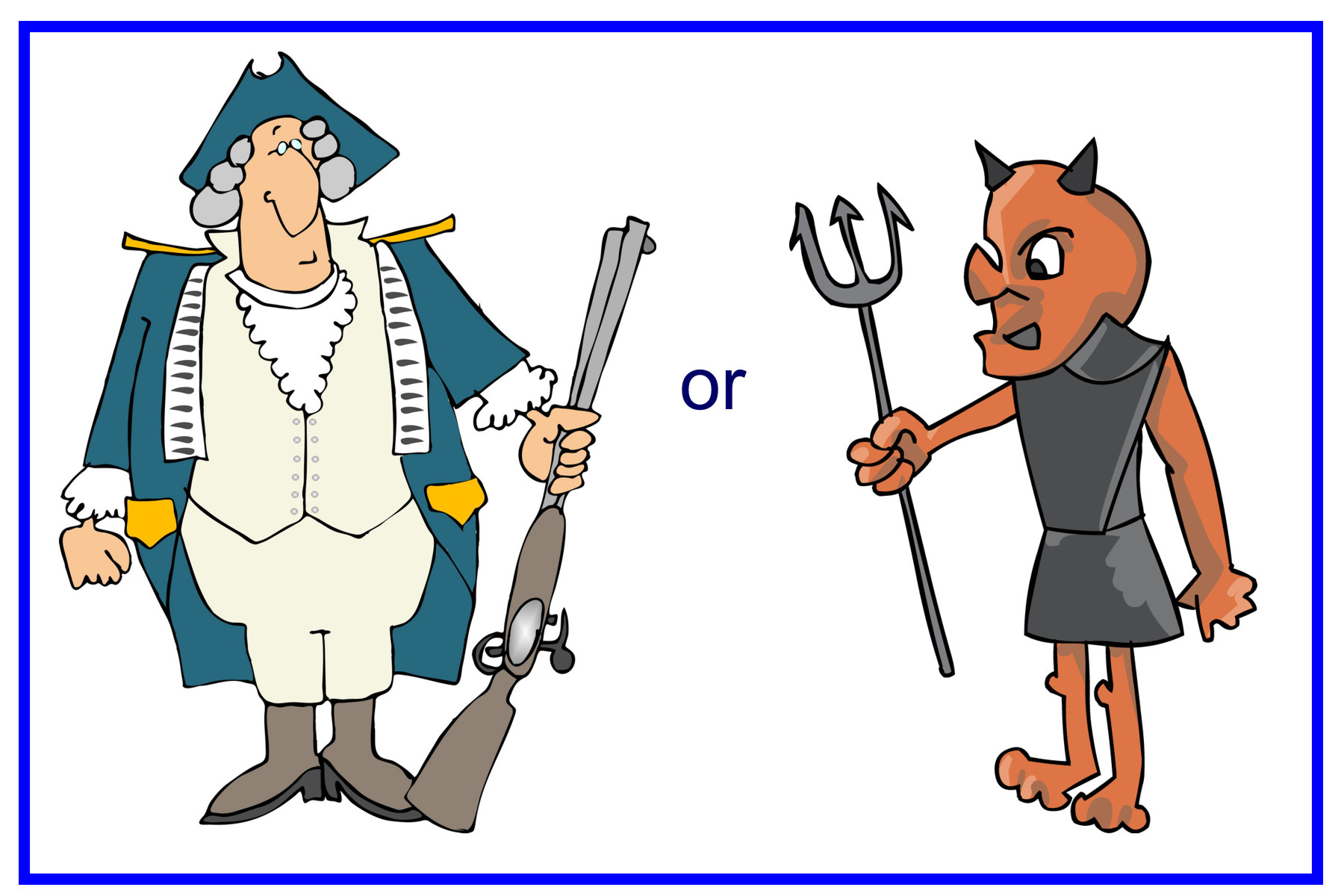
Ignorance and discontent need not a majority make…

The ignorant youth love their fits of rage and acts of violence.  Their discontent with themselves and the world around them erupt in vandalism, cruelty, and intolerance. Sadly the ignorant old will hear the tales of ignorant young and say, “Good for them! That’s the way to show those ____.” Thereby they provide justification and acceptance for the acts of hate and rage and intolerance.

In every region of the world there is suffering which, in turn, people will use as justification for violence and hate. Sadly, there will always be those who will take their own suffering out on others, and are so willing, and often so eager, to hurt their neighbor.

During these times of heightened displays of rage, it is good, although sometimes difficult, to remember there are so many who still focus on the positive, so many that despite their own suffering will wake up each day and embrace the blessings of life with gratitude even if liberty and love are in short order around them. These wise people, who choose love over hate, tolerance over ignorance, and kindness over violence, remind us all that there is hope in the world.

The ignorant youth and the ignorant old can never be the majority as long as the wise and grateful do not join their ranks.

Win or Lose: It really is how you play the game!

In a politically heated world, it is easy to forget that it is not whether you win or lose but how you play the game.

When we focus too much on a goal of winning, we may falter in our understanding of what we perceive we are up against.  It becomes too easy to for us to let emotion sway our reason, sway our perception of truth.  In the end whether we win or whether we lose, we still must be able to move forward.

When we become polarized in our ideas of right and wrong, ferocious in our belief that the other side is not only the opponent, but desires the destruction of all we hold dear; when this happens we run the risk of our own ruin. For no matter the outcome of the election, the world will no longer meet the standards we have set, no politician will ever make us happy, and no law will satisfy our thirst for a sense of perfection. Politicians will promise, platforms will declare, but in the end disappointment will be our companion if we do not learn that the political apparatus cannot supply a sense of wellbeing. Only we can supply that feeling, that sense of prosperity, that sense of safety.

When we vote in an election, especially when the election is close, we must focus on the value of the process and not simply on the outcome we desire. This will ensure that win or lose, we will feel good about ourselves, our efforts, and our opponents, once the game is over.

Pitch-fork Wielding Assimilated Riots

Before joining a revolution, make sure you know the intent and the cause.

There is a difference between a revolution and a pitch-fork wielding, assimilated riot.  One is based on seeking a better world through freedoms and diversity of thought.  One is based on holding back freedoms and diversity; restricting thought.

Make sure your desire to protest, march and fight is based on a clear understanding of the objective, intent and goal.  That you are not simply an assimilated, crowd following, pitch-fork wielding puppet of someone else’s plan to hold back diversity out of fearful ignorance.

Agency is the freedom to choose.  It is unwise to choose assimilation over knowledge, and choice of thought. It is unwise to give your freedom up so that you may fit in with the crowd.  For you never know when the mob will turn on you, and the riot will be in your backyard.


see also: Why Do We Go to War?To Be Informed or To Be Educated,


Majority vs. Minority

Is it just as wrong to make policies that discriminate against the majority as it is to make policies that discriminate against the minority?  Should the government deny the majority health care services on the premise that it might go against a minorities’ beliefs?

As for religion and state, the government is charged with due diligence to protect the life, liberty and pursuit of happiness of The People.  It has not been charged with protecting the liberty of religious organizations.  While religious organizations are made up of people, they are not The People.  The First Amendment protects the free exercise of religion, and mandating health coverage does not impinge on the exercise of faith.  It does not require any one to use the coverage, only for organizations to provide it for those who choose to use the coverage.

In the end, it comes down to money, or in other words taxes.  Whether the tax is levied in the standard sense or through mandating organizations to cover heath care equally, it is still a tax.  So rather than arguing about contraception, maybe the argument should be on whether religious organization should lose their tax exemptions?  This change has been called for, but I think that our churches would prefer simply offering health care, it would probably be much less costly.

Morality vs. Religious Freedom

In the light of so much being said about the US healthcare ruling on birth control, I find myself pondering historical “moral” legislation.  It would seem that the people of the United States have a long history of defining what is moral and what is not.  By the very concept of “moral behavior” one must consider the relationship of religion on its definition.  Today’s debate on birth control seems to pit opposing definitions of what is morally responsible.  One side of the debate argues that it is immoral to not provide birth control equally to all women.  The other side claims that birth control, by its nature, is immoral.

This is not the first time that morality, and its connection to religious freedom, has been in the legislative focus of the United States.  Here is a short list of other “morally responsible” issues that have been debated. Some made it to law, some only to be overturned.

Polygamy, Gay Marriage, Interracial Marriage, Divorce, Marijuana, Peyote, Public School Mandates, Homeschool Rights, Alcohol Consumption, Voting Rights, Age of Consent, Immunization, Military Draft. I am sure the list goes on.

Let me state for the record, I personally support religious freedom and religious morality, but I also wonder who gets to decide what a “religion” is in order for it to be protected by the first ammendment.  As I belong to a faith that historically found itself to be under a state legislative order of extermination, I get anxious when religious fervor* becomes escalated to the point where it influences the legislative debate.

In a religiously free nation, I wonder if moral legislation should be defined by a consensus and not one religion’s precepts.  As the granddaughter (many generations removed) of polygamists who had to publically dissolve their marriages, I can sympathize with the Catholic plight on birth control.  However, I see the role of the government to be to govern all the people.  To do so, the rights, desires and practices of some are bound to be trampled on for the good of the whole. This is not a new practice, but is one at the very heart of avoiding chaos and most will agree that chaos is immoral.

End Note:  I am fully aware that many could use my final argument on chaos to support the ban on Gay Marriage, but I would point out that a broad definition of marriage is less chaotic than a plethora of terms to describe similar legal unions.

* See Also (on a lighter note): Spanish InquisitionCrusadesWitch Hunt, Birth Control Debate part 1, Birth Control Debate part 2