
Success is not measured by the things we accumulate. It is measured by the love we share and by our individual growth. It is also measured by how much we are loved by others.
Tag Archives: Freedom
Pithy Point… Guns
I just read an interesting comment.
If guns don’t kill people, then guns don’t save people.
This comment generated the following thought.
People with guns do kill people and people with guns do save people, but people without guns also save people threatened by guns.
Saith Me… Teaching Fear or Self-worth?
We are a society that teaches fear rather than choice and accountability.
This process of teaching fear begins at our basic needs of ‘food and shelter’. Clothing is part of the “shelter” and we are taught that our choices in clothing are responsible for the actions of others. Should not the choices and actions of others make them accountable and not us?
Teaching fear is not an effective way of teaching the importance of choice and accountability. It does not help us make wise decisions and does not promote the development of wisdom. Fear weakens us rather than strengthens us. It creates victims rather than creating self-worth.
Saith Me… A Note to My Child
It is easy for people to hate when times seem tough. It is also easy for people to justify their hate because they are ignorant of real history – they only know the glossy myth. I am proud that you are not one of those people, but seek to love all of mankind. I am also proud that you seek out the history and culture behind the myth. I love that you ask “why” and have learned to chart your own course rather than to allow yourself to blindly follow those who would seek to lead you astray (even if they know not what they do). I am proud of you for who you are and who you will grow to be because of the choices you make, particularly the choice to love not hate.
Intervention versus Peacekeeping
What was I thinking when I doubled up on these two history classes?
Intervention or peacekeeping.
One is good and one is bad. One is wrong and one is right. One should work and one should not.
But there is no consensus as to which is which. Are they not just the same thing with different names?
In the end, are they not simply outside entities imposing a course of action on a weaker, more chaotic entity or region?
Isn’t it all just about the spin which is placed on the action?
Speaking of spin, this makes my head spin and I need a nap.
History of Intervention
Over the past few months, I have been studying the history of intervention as part of my pursuit of a Master’s in Military and Diplomatic History. There seems to be two common lessons to learn from the history of military intervention.
First:
There is no “getting it right.” Military intervention forcibly halts conflict for a time but does not end conflict. It always comes back. Inaction will cause many to suffer. Action will cause many to suffer. Therefore, do we intervene and cause suffering in order to stop suffering, all the while simply postponing war for the next generation? Or do we let war run its course and watch a generation die?
Second:
Stopping regional war but risking international world war is not usually worth the price. Unfortunately, no one can figure out when the price is worth paying. When 100,000 die? When multiple nations topple? When the threat reaches your own back door?
There is one new lesson being recorded for our posterity even as I post this.
Those who call for war are seldom the ones who fight the war. This is nothing new, but it is being documented in great volume in the news and social media. Armchair warriors cry for a strong stand against tyranny and call it weakness when diplomacy is used. They approve of the jobs created by military buildup but disapprove of paying the bill. They think war is like a game of Risk, a game that when an impasse is reached you box it up and put it on the shelf for the next time you feel like prancing around like a peacock. Being strong means looking strong rather than acting strong.
What we should be learning.
The one thing that history doesn’t seem to teach anymore is the value of stepping back from a fight and trying for peace once again. When this choice is made, if it is made, it is belittled and viewed as a weakness. It, rather than warmongering, is called the cause of future conflict.
President Teddy Roosevelt said “Speak softly and carry a big stick…” But we do not speak softly any more.
Machiavelli advised to be respected rather than loved. He used the word “feared” but his context inferred respected because the Prince should avoid being hated.
The person who always carries a big stick will eventually be hated – hated for acting, hated for not acting, and hated for the threat of the big stick. Sadly, this is the lesson history is trying to teach but a lesson we just don’t seem to be learning.
Saith Me… Debate or Tirade
Differing perspectives can elevate our comprehension of complex issues, but they can also drag us down into a pit of malevolence when discussion and debate are replaced by an unbending quest to convert or conquer.
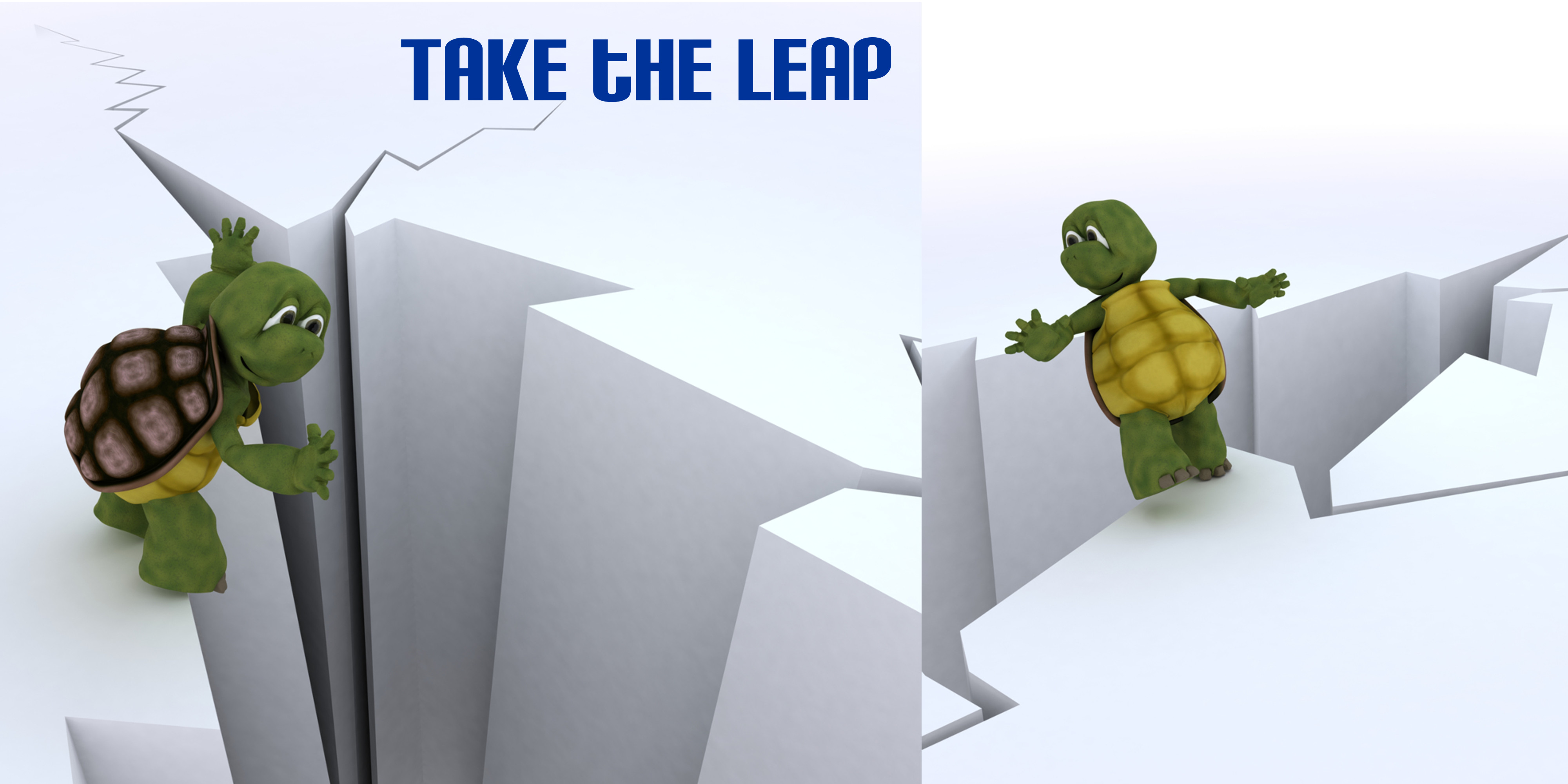
Saith Me… Take the Leap
When you stand at the edge of change, the excitement wars with the nervousness and can make you a mess.
So take the leap.
Propel yourself forward and grasp your future.
What if…
This week I have been reviewing the history of peacekeeping, all the while following the news reports of revolt, violence, an bloodshed. So it is not strange that today I find myself pondering a profound what if.
What if there had been a greater supply of and access to guns during the American Revolution?
Certainly we just need to look to the American Civil War to see what happened when technology improved and the availability increased.
Would the weaponry of today shortened or lengthened the American Revolution? Would there have been more or less bloodshed? Would the decolonization process of the North American colonies been just as turbulent as the process elsewhere in the world?
News of Declassifications through FOIA
The real news is not simply that stuff gets declassified. The real news is that every day scholars seek more declassification of information through the Freedom of Information Act (FOIA) without seeking fame. It is from their efforts that we have a chance to broaden our understanding and not simply our talking points.
 Pithy Ponderings